
Polyaspartic finishSelected topcoat
PolyStar PRO ST or PolyStarz SlowChoose one specified finish product. These are alternatives, with their own application and recoat requirements.
Ships nationwideHazmat items are in-store pickup only10 locationsNow booking Oct & Nov training
Choose the coating around the job. Build a polyaspartic finish with products matched to the base, working conditions and crew.
PolyStar PRO ST and PolyStarz Slow are separate product options. Select the complete path before planning the schedule.
A polyaspartic coating can be part of a decorative floor. The diagram separates the coating choice from the layers beneath it.
Choose one specified finish product. These are alternatives, with their own application and recoat requirements.
Include the decorative broadcast only when it forms part of the approved design; prepare it for the topcoat.
Confirm the product and decorative method. Do not assume the selected topcoat automatically replaces every base coat.
Select one product after moisture testing and confirm its interface with the next coating.
Establish sound, clean, profiled concrete. Evaluate moisture, cracks and joints before choosing the coating path.
PRO ST and PolyStarz Slow are not consecutive required coats. PolyStarz Slow is a topcoat, applied over a compatible base coat and decorative layer. No universal one-day installation or return-to-service time is promised.
Use a specified polyaspartic coating as the protective surface over a compatible base and decorative layer.
Compare the current PRO ST and Slow technical sheets with your crew, material and site conditions. Product names alone do not set the schedule.
Flake describes a decorative look. Polyaspartic describes coating chemistry. Your selected floor can combine both.
Application examples guide the specification discussion. Confirm the complete assembly and actual service conditions before product selection.
Choose PRO ST or Slow for the intended role. Do not combine or substitute products based only on their names.
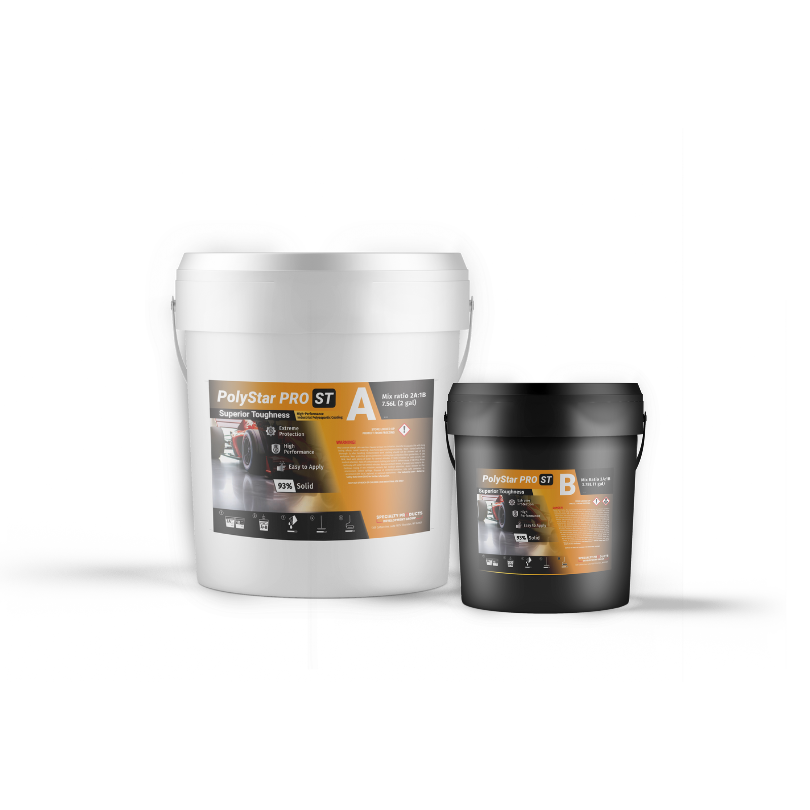
A documented polyaspartic topcoat. Confirm sheen, texture and the base beneath it.
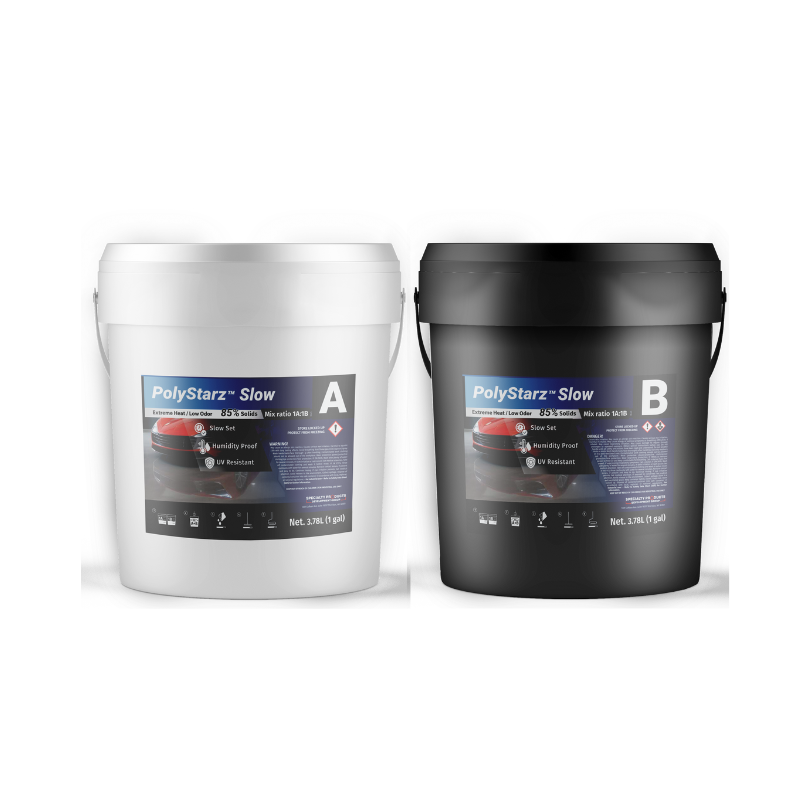
A separate product with its own technical sheet and application requirements.
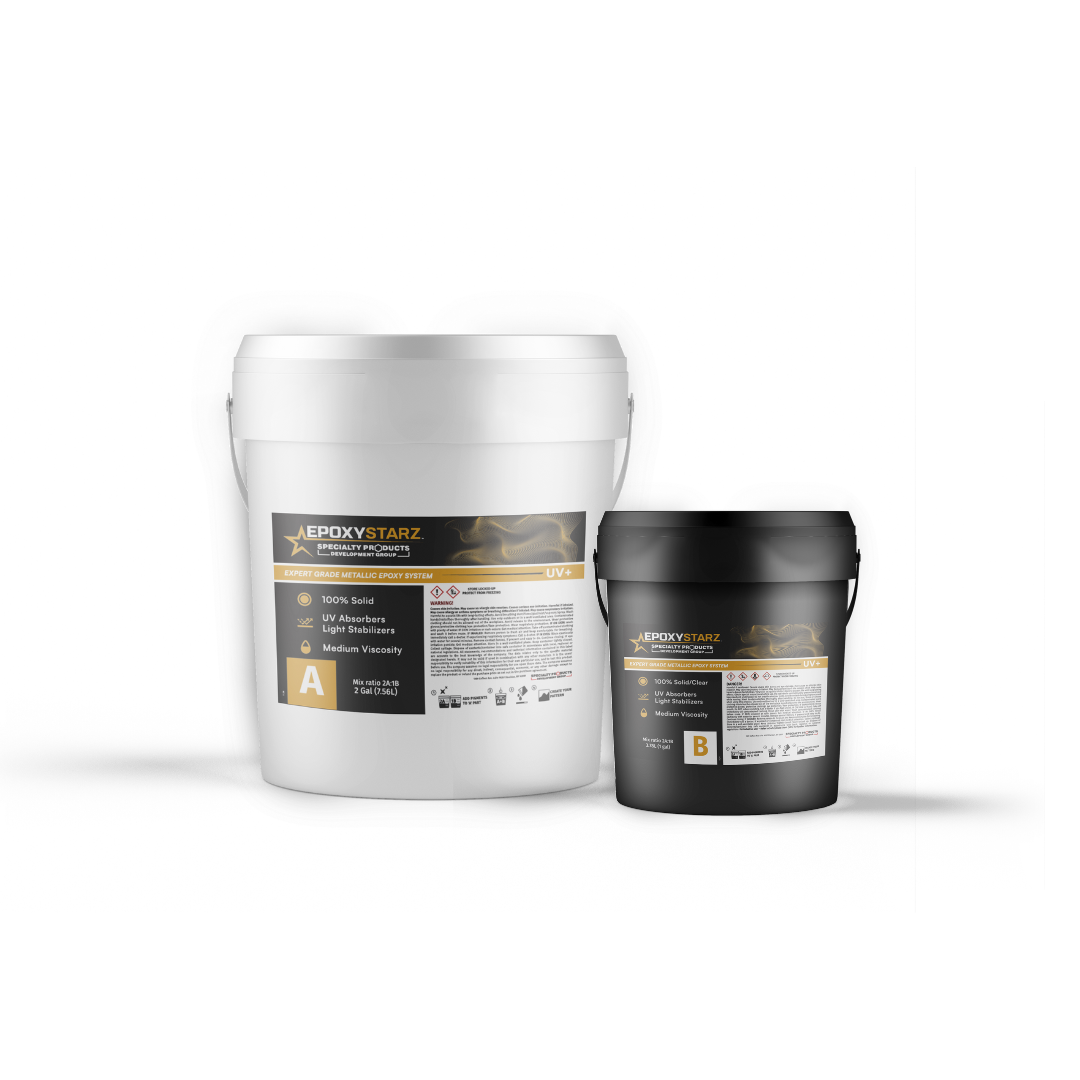
An epoxy base option within a specified decorative path; it is not a mandatory layer in every polyaspartic build.
Name the base, decorative layer if any, and final coating in the written specification. Review the PRO ST or Slow TDS for each role; do not treat both products as mandatory layers.
Record moisture results, substrate condition, material temperature and ambient conditions. Compare them with every product in the selected assembly.
Plan manageable batches, tools, application lanes and access before mixing. Working time and recoat time are different requirements and vary by product and conditions.
Where flake is included, prepare the cured broadcast as specified before topcoating. Follow the exact product’s recoat preparation, especially if the normal window has been missed.
Inspect the installed finish and give written instructions for foot traffic, vehicles, cleaning and chemical exposure. Base the schedule on the entire build, not a single tack-free value.
Choose the look separately. Tell your installer whether you want flake, a clear finish or another approved appearance.
Ask what is in each coat. A useful proposal names the base, decorative material and final product.
Confirm the schedule. Ask when each type of use can resume. Repairs and moisture treatment can add work before the visible finish begins.
Discuss traction. Water, footwear and contamination affect traction. Approve the final texture for the use of the space.
Ask a system question ↗Read the TDS for preparation and application, and the SDS for handling. Request written guidance when the complete assembly needs confirmation.
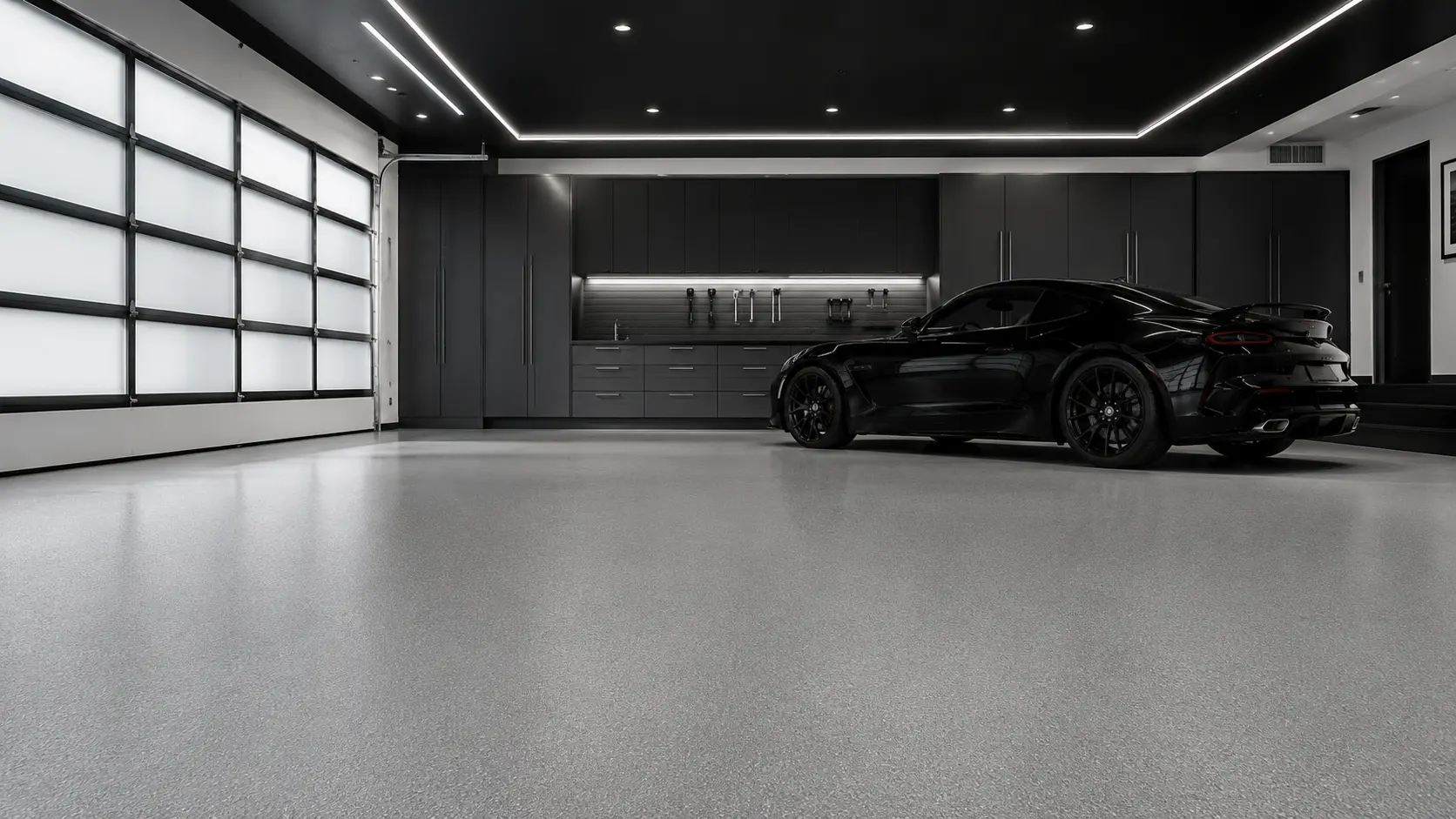
Supplied garage finish inspiration. The photograph illustrates an appearance, not proof of a particular coating assembly.
Get the products, project conditions and next steps clear before installation.
Polyaspartic is a coating chemistry; flake is a decorative broadcast. A flake floor can use a polyaspartic topcoat. Choose the appearance and then confirm the products that create and protect it.
They are separate product choices, not a required two-coat pair. Ask which product is specified for each role and follow that product’s current technical sheet.
No universal schedule applies. Preparation, repairs, moisture treatment, product choice and conditions affect installation and cure. Obtain a written schedule for the whole floor before planning access.
U.S. Resin Supply polyaspartics are specified as topcoats over a compatible base coat, not as a direct-to-concrete primer. Confirm moisture acceptance, preparation, product role and the complete system with technical support.
Confirm exterior suitability for the exact product and complete assembly. Sunlight, moisture, drainage, temperature and traction requirements must all be considered; the chemistry name alone is not a project approval.
After full cure, remove grit regularly, clean spills promptly and use approved neutral cleaners and soft tools. Follow the maintenance requirements for the actual installed coating and texture.
Products, documents and support for the next step.